Feb 10, 2026
An in-depth comparison of Germany’s leading film festivals, exploring audiences, industry outcomes, and long-term value for filmmakers.
David Orman
Co-Founder & CEO
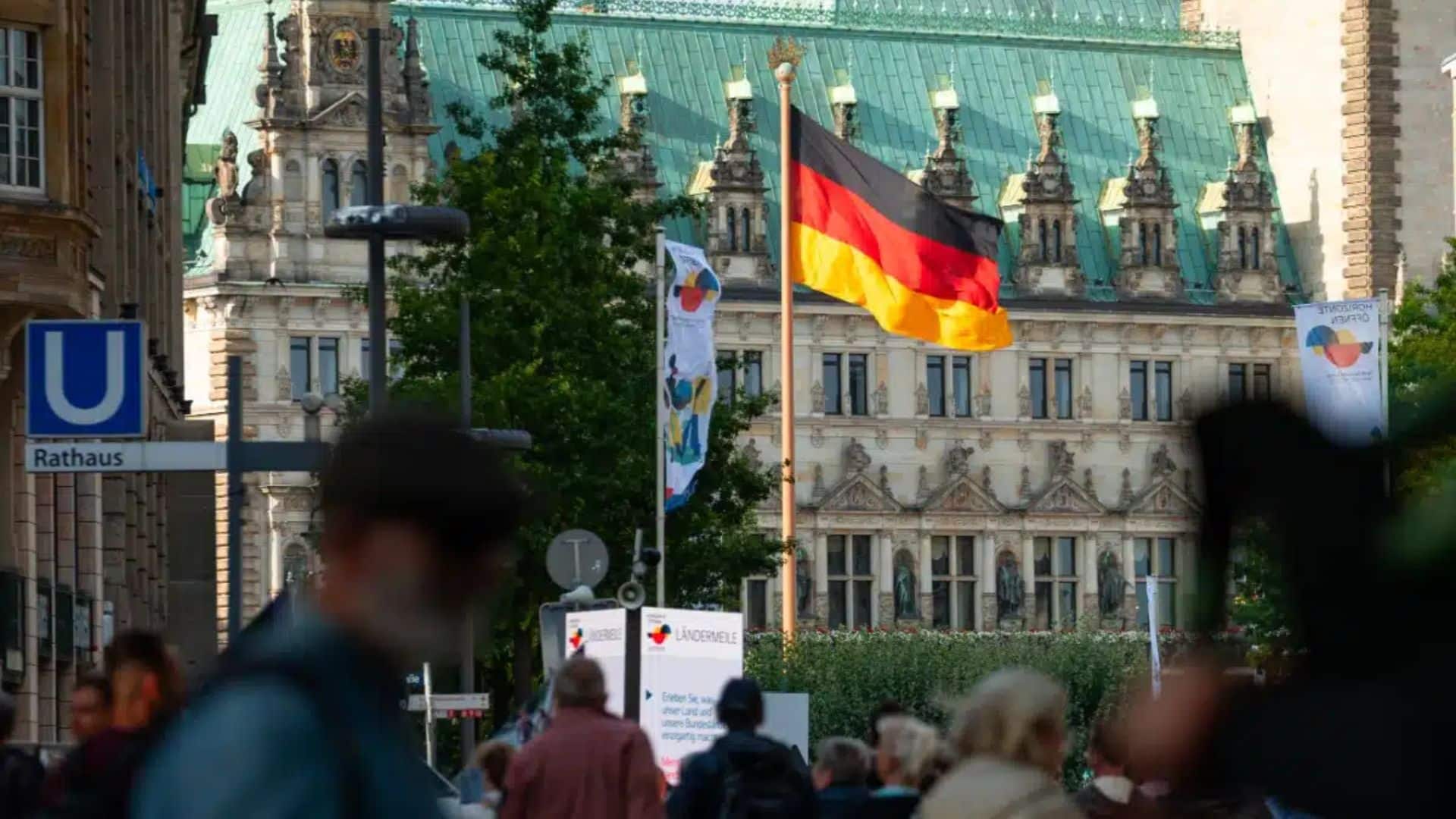
Germany’s festival ecosystem works because each festival plays a distinct role. They attract different audience types, trigger different kinds of industry attention, and create different downstream outcomes for films. Together, they shape how contemporary German cinema is discovered, debated, and distributed across Europe.
Below is a deeper, more data-driven look at what actually happens around each festival and why filmmakers choose them strategically.
1. Berlin International Film Festival (European Film Market - Berlinale)
Berlinale operates at global scale and political relevance. It is often used as a positioning festival rather than a pure audience test.
What defines Berlinale:
Audience mix includes international critics, sales agents, public broadcasters, NGOs, and cultural institutions
Strong concentration of press screenings means films receive early critical framing
Films selected often travel widely across other international festivals
High likelihood of follow-on screenings, retrospectives, and academic interest
Works best for films with strong themes, global relevance, or cultural commentary
2. Munich Film Festival
The Munich film festival functions as a bridge between prestige and public response. It is one of the strongest indicators of how a film performs with real audiences.
What defines Munich:
Large ticket-buying public audience, not only industry attendees
High attendance rates create reliable audience feedback loops
Industry presence is discovery-focused rather than prestige-driven
Strong media coverage within Germany and neighbouring European markets
Effective for narrative films seeking broader circulation after festivals
3. Hamburg Film Festival
The Hamburg film festival is known for consistent curation and audience trust. Viewers attend based on programme reputation rather than star power.
What defines Hamburg:
Cine-literate audiences open to slow cinema and character-led narratives
Strong representation of European and contemporary german cinema
Balanced mix of emerging and established filmmakers
High engagement in post-screening discussions
Useful for films aiming for long-term cultural relevance rather than hype
Reach Out
3. Hamburg Film Festival
The Hamburg film festival is known for consistent curation and audience trust. Viewers attend based on programme reputation rather than star power.
What defines Hamburg:
Cine-literate audiences open to slow cinema and character-led narratives
Strong representation of European and contemporary german cinema
Balanced mix of emerging and established filmmakers
High engagement in post-screening discussions
Useful for films aiming for long-term cultural relevance rather than hype
4. Leipzig Documentary Film Festival
The Leipzig documentary film festival is one of the most influential documentary platforms in Europe, particularly for films with institutional afterlives.
What defines Leipzig:
Audience includes academics, archivists, educators, and cultural policymakers
Films frequently move into educational licensing and curated screenings
Strong emphasis on ethics, research depth, and formal rigor
Long shelf life for selected films beyond festival circulation
Ideal for documentaries seeking credibility and sustained impact
5. International Short Film Festival Oberhausen
Oberhausen operates as a research and innovation hub for short cinema.
What defines Oberhausen:
Audience includes curators, museum programmers, and experimental distributors
Shorts are assessed as complete works, not stepping stones
Strong presence of politically engaged and formally experimental films
Films often circulate in galleries, archives, and curated programmes
Influential within the german cinema festival and art-film ecosystem
Talk To Us
6. Filmfest Cologne
Filmfest Cologne reflects how storytelling increasingly crosses platforms.
What defines Filmfest Cologne:
Audience includes broadcasters, commissioners, and streaming executives
Programming spans cinema, television, and digital formats
Strong emphasis on industry networking and deal-making
Useful for creators working in hybrid or episodic formats
Plays a strategic role in the modern german film festival landscape
7. Stuttgart International Festival of Animated Film
Stuttgart is Europe’s leading animation-focused festival and a key industry meeting point.
What defines Stuttgart:
Audience spans artists, studios, educators, and game developers
Strong presence of student and experimental work alongside commercial projects
Close ties to creative industries and applied technology
Films often move into commissions, studio collaborations, or education
Broadens how animation is positioned within german cinema festival culture
8. DOK.fest Munich
DOK.fest Munich focuses on accessibility and international documentary reach.
What defines DOK.fest:
Audience includes NGOs, educators, and cultural organisations
Films often transition into community screenings and learning contexts
Clear thematic programming improves discoverability
Strong emphasis on audience discussion and social impact
Complements Leipzig within the german film festival documentary circuit
9. Max Ophüls Prize Film Festival
This festival is one of the strongest predictors of emerging German-language talent.
What defines Max Ophüls
High concentration of first and second features
Industry attendance focused on talent scouting
Willingness to reward creative risk
Films often secure future funding or representation
Plays a formative role in shaping contemporary german cinema
10. Hof International Film Festival
Hof prioritises storytelling, craft, and filmmaker dialogue.
What defines Hof:
Audience values narrative clarity over spectacle
Strong feedback culture between audiences and filmmakers
Long-standing trust within the German industry
Films often build slow but durable reputations
Reinforces the community side of the german cinema festival network
Turning Festival Attention into Sustainable Value
Across Germany’s festival circuit, festivals remain powerful discovery engines. But discovery alone does not guarantee long-term access, revenue, or data visibility for either festivals or filmmakers.
Many festivals now experiment with online screenings, yet this often means stitching together multiple tools or relying on third-party platforms that dilute control. Hiway was built specifically to solve this gap.
For many festivals, going online means juggling multiple tools or relying on third-party platforms that compromise security, ownership, or flexibility. Hiway was built specifically to avoid that.
Hiway gives festivals one system to:
Receive film submissions, securely
Stream films, sharing revenue and valuable data with each Production Company
Run ticketed, rental, or pass-based programmes
Manage access, territories, and screening windows
Track viewing and sales in real time
All while the festival and filmmakers retain ownership of their content, audience data, and revenue. And can share both audience data and revenue data with each individual production company at the click of a button.
In a landscape shaped by strong curation and limited screening windows, Hiway allows festivals to extend reach, insight, and monetisation beyond the physical event, without compromising control.
Which German film festival is best for first-time filmmakers?
The Max Ophüls Prize Film Festival is widely regarded as the strongest launchpad for emerging German-language talent. It focuses heavily on debut and second features and attracts producers, funders, and talent scouts.
What is the best animation festival in Germany?
The Stuttgart International Festival of Animated Film is Europe’s leading animation-focused festival, connecting filmmakers with studios, educators, and creative industries.
Can filmmakers monetize films beyond physical festivals?
Yes. Increasingly, festivals use digital platforms to extend screenings online. Platforms like Hiway allow festivals to stream films, manage access and territories, sell tickets or passes, and share viewing and revenue data directly with production companies - helping filmmakers build longer-term value beyond limited screening windows.
Which German film festival is best for short films?
The International Short Film Festival Oberhausen is one of Europe’s most respected short-film platforms, particularly for experimental, political, and artist-driven work.
About the Author

David Orman
Co-Founder & CEO
With a career that has taken me through venture capital, media, sport and digital content, I’ve picked up more stories than I can count, and too many I can't tell....